Archives
- 2026-11
- 2026-10
- 2026-09
- 2026-08
- 2026-07
- 2026-06
- 2026-05
- 2026-04
- 2026-03
- 2026-02
- 2026-01
- 2025-12
- 2025-11
- 2025-10
- 2025-09
- 2025-03
- 2025-02
- 2025-01
- 2024-12
- 2024-11
- 2024-10
- 2024-09
- 2024-08
- 2024-07
- 2024-06
- 2024-05
- 2024-04
- 2024-03
- 2024-02
- 2024-01
- 2023-12
- 2023-11
- 2023-10
- 2023-09
- 2023-08
- 2023-07
- 2023-06
- 2023-05
- 2023-04
- 2023-03
- 2023-02
- 2023-01
- 2022-12
- 2022-11
- 2022-10
- 2022-09
- 2022-08
- 2022-07
- 2022-06
- 2022-05
- 2022-04
- 2022-03
- 2022-02
- 2022-01
In order to test whether the enhanced hyperpolarization in t
2022-05-05
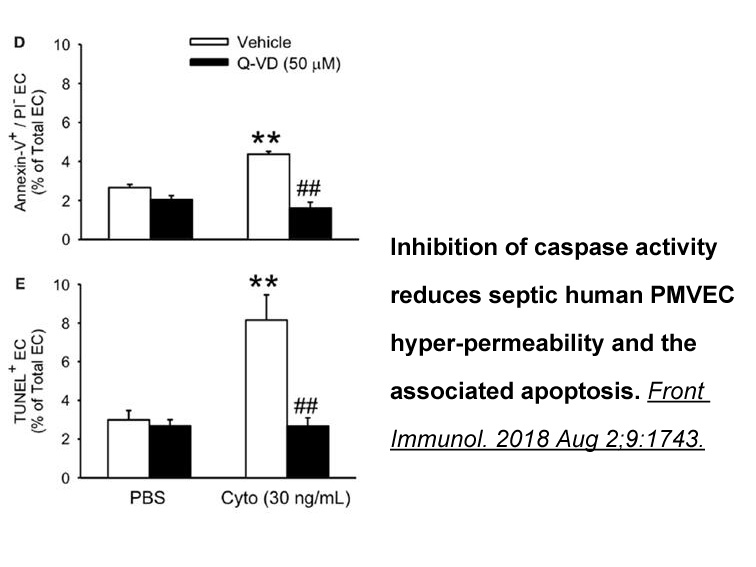
In order to test whether the enhanced hyperpolarization in the presence of increasing amounts of extracellular Ca2+ could be due to an ionophore effect of NS309, red cell uptake of 45Ca and partition of 45Ca into a water/n-octanol phase +/−100 μM NS309 were determined. However, no indication of iono
NPS-2143 Several classes of small molecule inhibitors
2022-05-05

Several NPS-2143 of small-molecule inhibitors of FBPase have been reported. These inhibitors can be structurally classified into two groups; non-phosphorus-based inhibitors and phosphorus-based inhibitors. In the former group, several chemotypes including anilinoquinazoline, indole dicarboxylic aci
br Acknowledgment br Introduction Non steroidal
2022-05-05
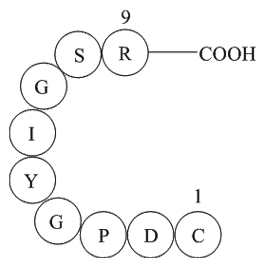
Acknowledgment Introduction Non-steroidal anti-inflammatory drugs (NSAIDs) are widely utilized to treat pain and inflammation [1], but their chronic use is hindered by a variety of potentially serious adverse events that include gastrointestinal (GI) mucosal lesions, bleeding and perforations
br Characterization of quantal exocytosis by amperometry A
2022-05-05

Characterization of quantal exocytosis by amperometry A secretory vesicle experiences four phases during exocytosis: (i) cargo packaging & translocation, (ii) vesicle docking & priming; (iii) fusion pore formation; (iv) fusion pore expansion and cargo secretion (Fig. 1a). The release of monoamine
br Characterization of quantal exocytosis by amperometry A
2022-05-05
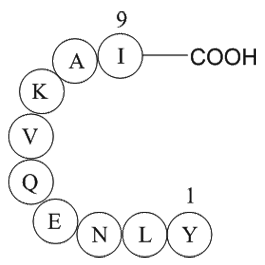
Characterization of quantal exocytosis by amperometry A secretory vesicle experiences four phases during exocytosis: (i) cargo packaging & translocation, (ii) vesicle docking & priming; (iii) fusion pore formation; (iv) fusion pore expansion and cargo secretion (Fig. 1a). The release of monoamine
SCH is a H R receptor antagonist introduced
2022-05-05
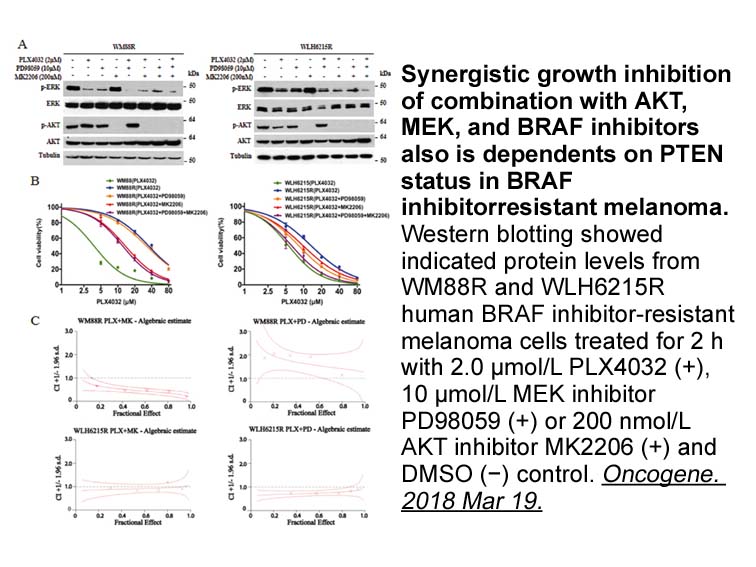
SCH-497079 is a H3R receptor antagonist introduced by Schering-Plough, without any publicized pharmacological and structural information. A Phase II clinical trial assessment of SCH-497079 on weight has been completed in a multicenter, randomized, parallel-group and placebo-controlled study in obese
An important aspect of macrophage
2022-05-04
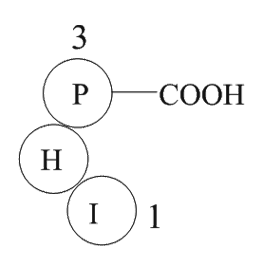
An important aspect of macrophage biology, highly influenced by HO-1 activity, is macrophage polarization. The broadest classification, based on the in vitro stimulation, surface marker expression, and inflammatory cytokines production, describes macrophages as classically activated, proinflammatory
The dramatically reduced expression of CFTR in
2022-05-04
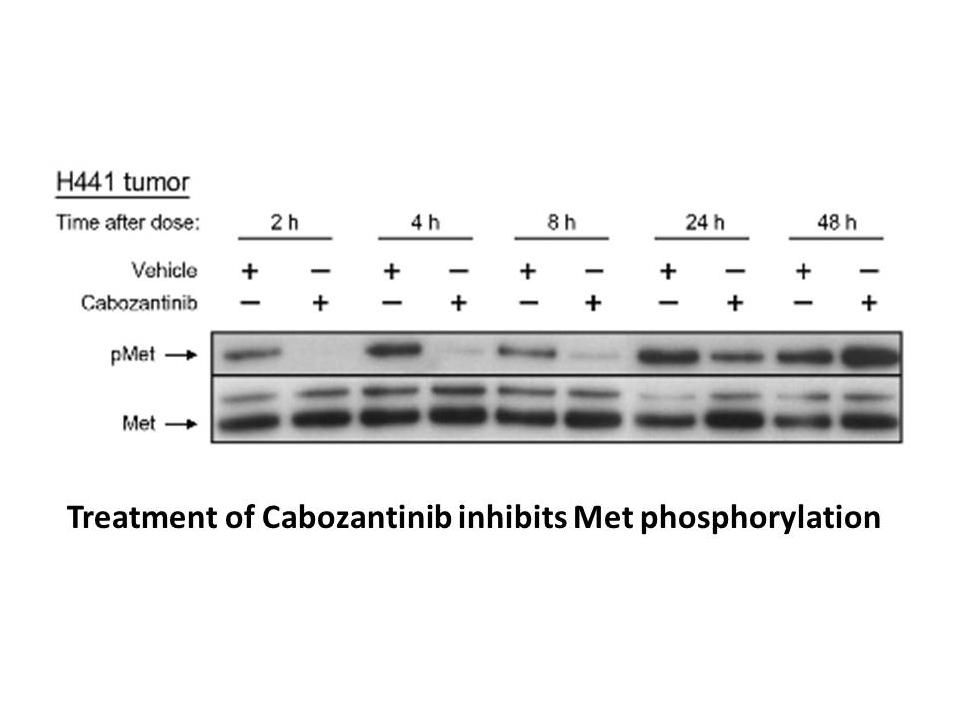
The dramatically reduced expression of CFTR in human colorectal cancer tissues identified herein is consistent with our previous findings using human breast cancer tissues, prostate cancer tissues, and colon cancer tissues, and suggests that the loss of CFTR is likely a general phenomenon in epithel
a little of Indeed GSTP mRNA appears to be already
2022-05-04
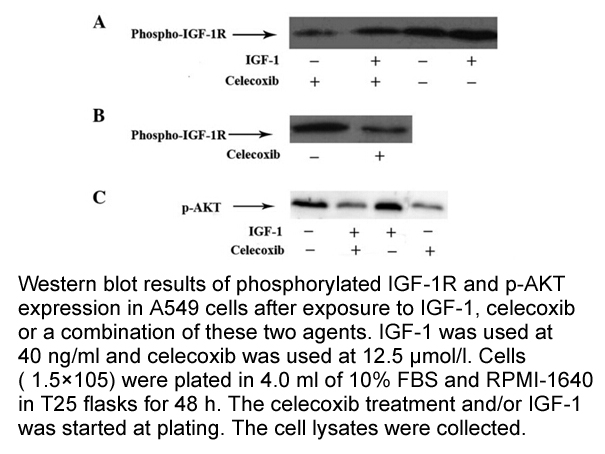
Indeed GSTP1-1 mRNA appears to be already highly stable in K562 leukemia a little of with a half-live of more then 40h which is even further increasing to 92h after hemin treatment and erythroid differentiation. Previous reports quantified GST mRNA half-lives which depend on the cellular model and t
Melittin The Fe deficiency treatment significantly increased
2022-05-04
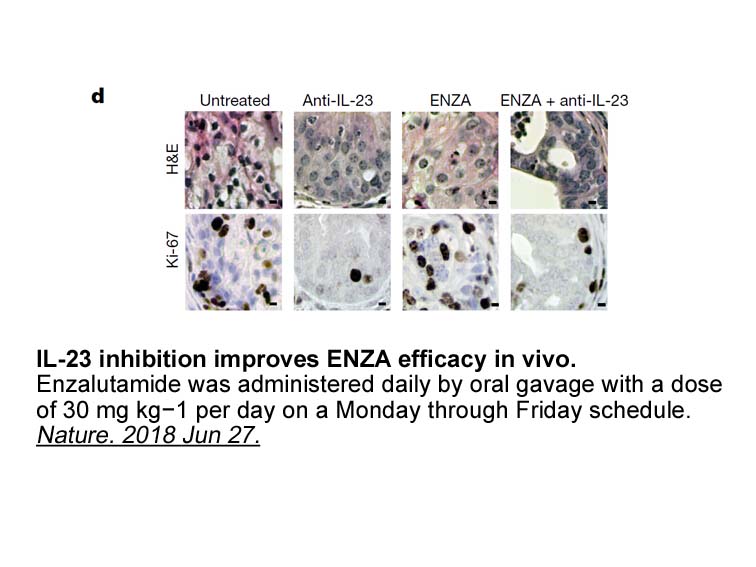
The Fe-deficiency treatment significantly increased the shoot/root Fe ratios in both WT and transgenic lines (Fig. 5C), which implied that the Fe distribution from root to shoot may be an adaptive mechanism or stress response in tomato plants. Thus, the overexpression of GSNOR had a positive effect
We also noticed that acetic acid by itself
2022-05-04
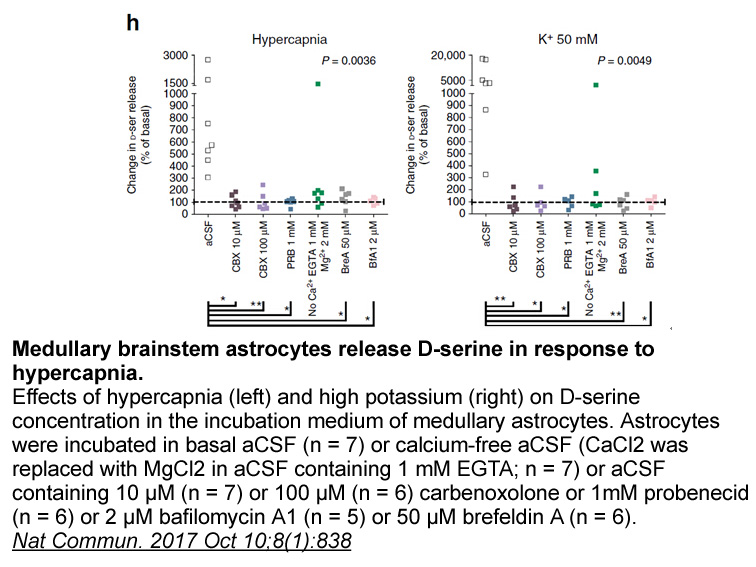
We also noticed that acetic acid by itself (used to induce pain) increased spinal cord levels of KYNA (see Fig. 5). The most rational explanation of this finding is based on the possibility that acetic acid and KYNA share the same transport systems and the finding is therefore not surprising. Altho
Overall our results indicated the involvement of GABAAR in
2022-05-04
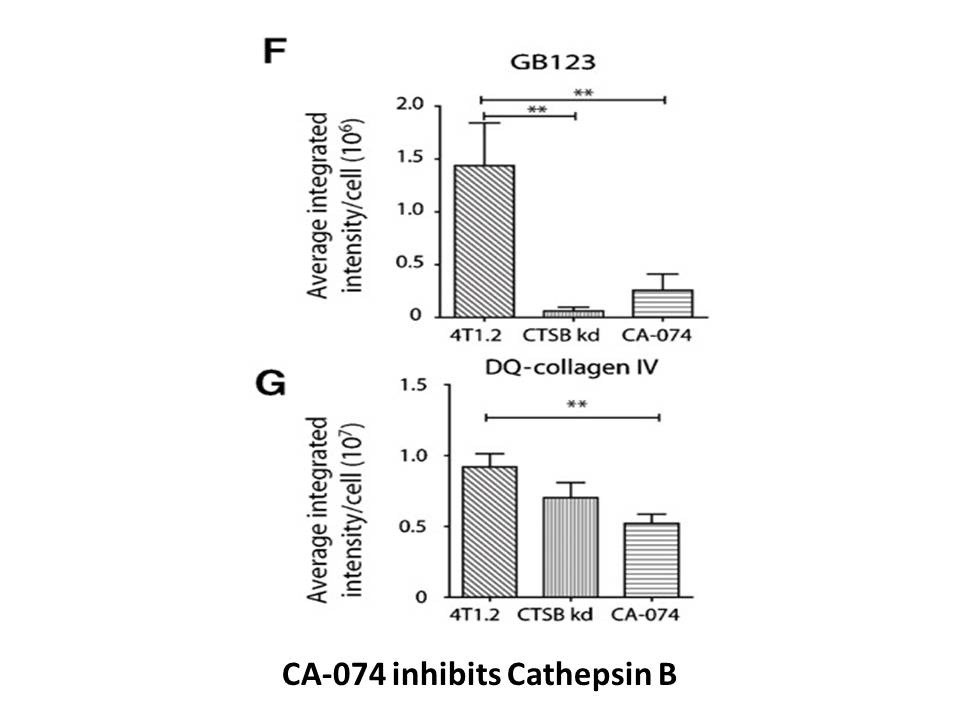
Overall, our results indicated the involvement of GABAAR in controlling GnRH/LH release through mechanism which included GABA action on molecular processes leading to GnRH biosynthesis. This is consistent with previous in vivo [14,54] and in vitro [55] studies in ewes suggesting that GABA inhibits G
Additionally OsGly I overexpressing transgenic
2022-05-04
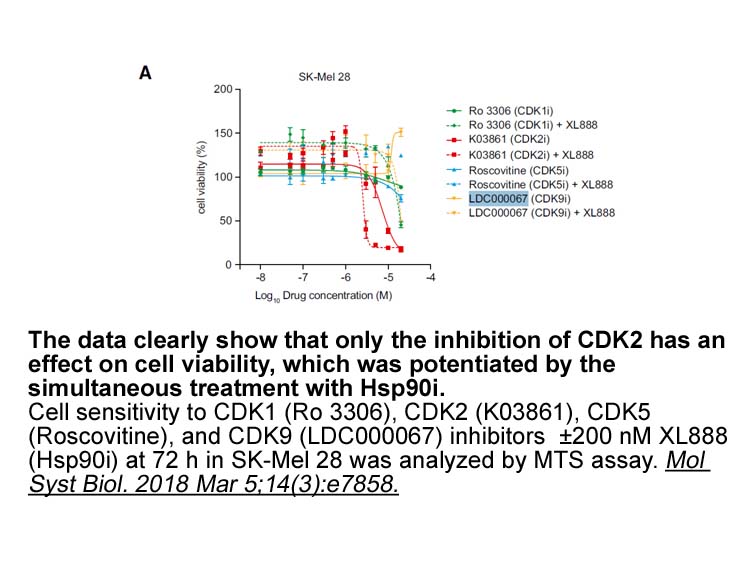
Additionally, OsGly I-overexpressing transgenic rice plants had higher grain yields than WT (Table 2). Although there were no significant differences in the number of effective panicles per plant, panicle length, grain numbers per panicle, or 1000-grain weight between WT and transgenic plants, the s
br Concluding Remarks br Outstanding
2022-05-04
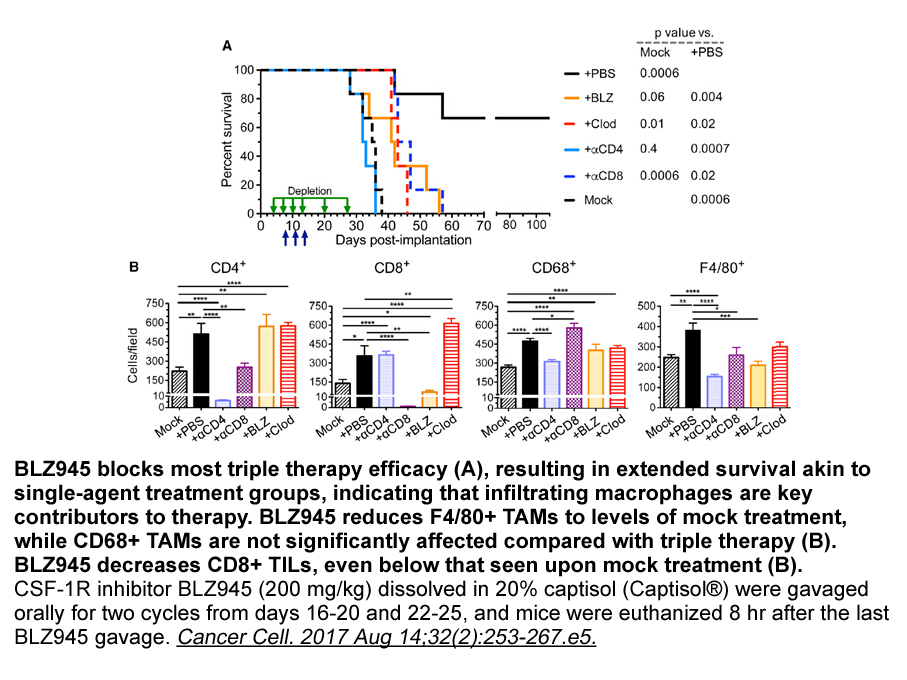
Concluding Remarks Outstanding Questions Acknowledgments Research on DNA glycosylases in our laboratory is supported by the National Science Foundation (MCB-1517695). A.A.R. and N.P.B. are supported by the National Science Foundation Graduate Research Fellowship Program (DGE-1445197). In
br Introduction L Glutamate is one of the most
2022-05-04
Introduction L-Glutamate is one of the most prevalent excitatory signaling molecules in the central nervous system (CNS) (Salazar et al., 2016) and plays a crucial role in a variety of Thonzonium Bromide functions such as memory and learning (Danbolt, 2001, Nedergaard et al., 2002). At elevated
8574 records 505/572 page Previous Next First page 上5页 501502503504505 下5页 Last page