Archives
- 2026-11
- 2026-10
- 2026-09
- 2026-08
- 2026-07
- 2026-06
- 2026-05
- 2026-04
- 2026-03
- 2026-02
- 2026-01
- 2025-12
- 2025-11
- 2025-10
- 2025-09
- 2025-03
- 2025-02
- 2025-01
- 2024-12
- 2024-11
- 2024-10
- 2024-09
- 2024-08
- 2024-07
- 2024-06
- 2024-05
- 2024-04
- 2024-03
- 2024-02
- 2024-01
- 2023-12
- 2023-11
- 2023-10
- 2023-09
- 2023-08
- 2023-07
- 2023-06
- 2023-05
- 2023-04
- 2023-03
- 2023-02
- 2023-01
- 2022-12
- 2022-11
- 2022-10
- 2022-09
- 2022-08
- 2022-07
- 2022-06
- 2022-05
- 2022-04
- 2022-03
- 2022-02
- 2022-01
Further investigations were concerned to study
2024-01-25
Further investigations were concerned to study the mechanisms by which GABA modulates adenosine-mediated effects in hippocampal tissue. From these results it can be concluded that endogenous GABA exerts an inhibitory effect through GABAA receptors via a predominant adenosine-mediated action and this
It has been recognized for
2024-01-25
It has been recognized for decades that neurons in the mammalian central nervous system may release both a fast-acting, typically amino acid derived neurotransmitter such as glutamate or GABA, and a second peptidergic neuromodulatory molecule such as neuropeptide Y, substance P, or cholecystokinin.
In the present study we sought to
2024-01-24
In the present study we sought to decipher the role of ATP-citrate lyase and of the mitochondrial NADH-dependent Mae in the oleaginous yeast Y. lipolytica. Indeed, although this yeast is one of the major models for lipid metabolism, the function of these enzymes is still not clear. As the study of t
In response to DSB the
2024-01-24
In response to DSB, the lesion recognition factor Mre11-Rad50-Nbs1 (MRN) complex helps the recruitment of ATM to the damage site and its activation by phosphorylation [29]. However, whether UV-damage recognition factors directly influence ATR and ATM recruitment and their phosphorylation is not clea
Functional enhancers are often composed of binding motifs
2024-01-24
Functional enhancers are often composed of binding motifs of multiple key transcription factors to confer spatial and temporal regulation of genes in a certain context. In the uterus, the difference between the number of genes that have associated PGR occupancy and that of progesterone responsive ge
Having demonstrated that Gq coupled mGluR a
2024-01-24
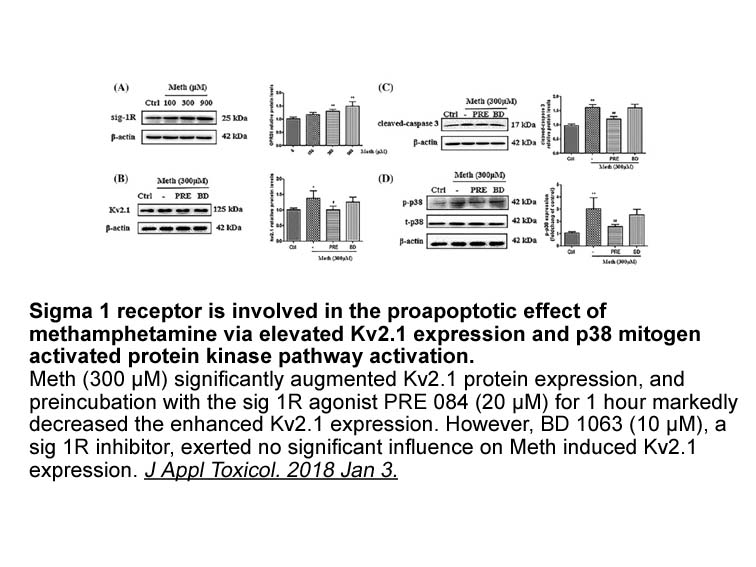
Having demonstrated that Gq-coupled mGluR1a was necessary for estradiol-induced enhancement of CREB phosphorylation, we hypothesized that activation of a separate G-protein signaling pathway could explain the effect of estradiol on L-type calcium channel signaling (Boulware et al., 2005). Indeed, in
To the best of our knowledge
2024-01-24
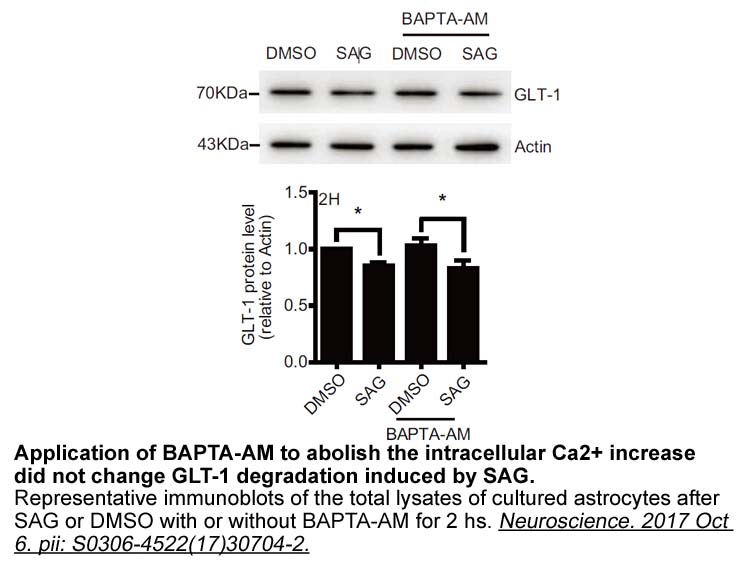
To the best of our knowledge, this is the first study documenting the SCC modulatory effect at central and kidney level on the shift in the vasoconstrictor-vasodilator ratio of mRNA expression of angiotensin receptors toward vasoconstriction in XY-SCC and/or vasodilation in XX-SCC mice. From these r
Intracellular Signaling Cascades From ligand sensitization t
2024-01-24
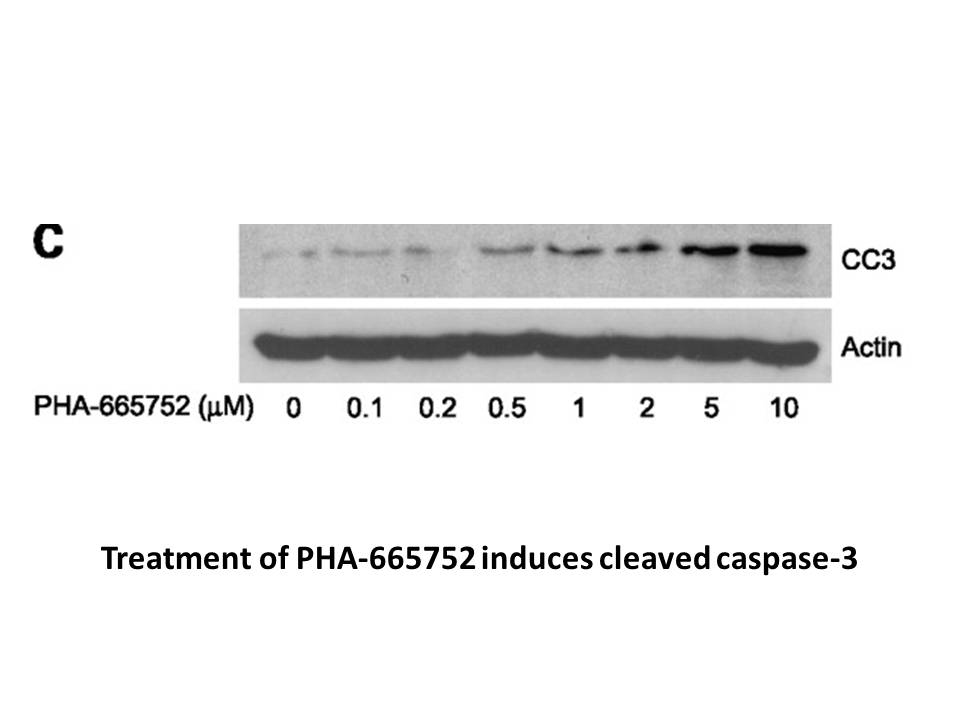
Intracellular Signaling Cascades. From ligand sensitization to translation of genes, all cellular processes are dependent on the intracellular levels and activity of partners involved in the signaling pathway. These signaling events lead to critical post-translational modifications including phosph
br Role of AR in models of neointima formation
2024-01-24
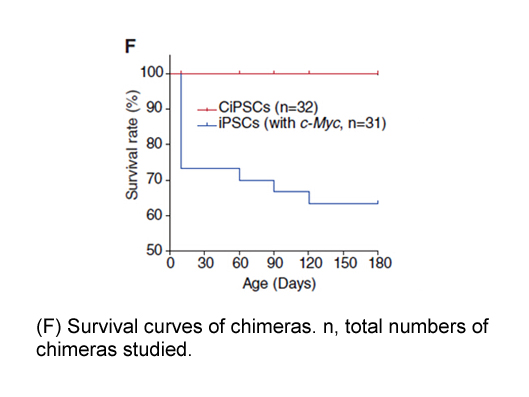
Role of AR in models of neointima formation Investigations into the pathogenesis of lesion formation have often used acute models of mechanical damage to assess the mechanisms regulating the fibro-proliferative response to arterial injury. Models of acute injury used for this purpose include: lig
br AMPK as a druggable target
2024-01-24
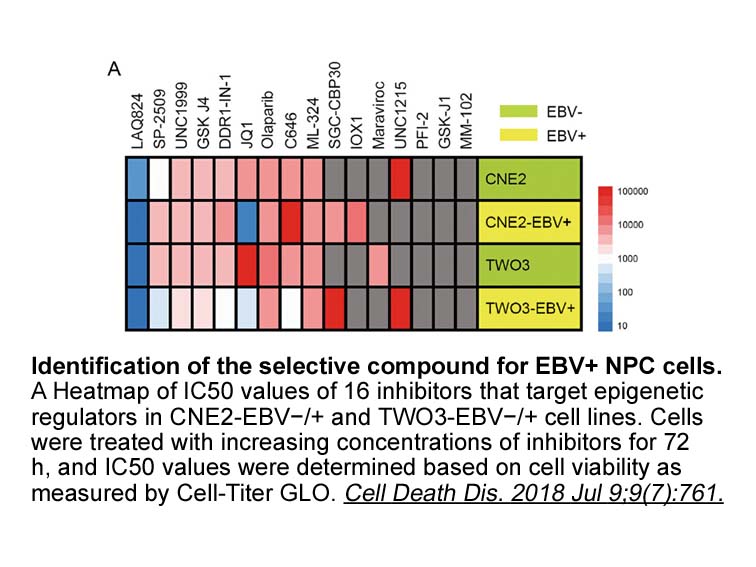
AMPK as a druggable target AMPK signaling has attracted considerable attention within the past decades, owing to the capacity of pharmacological compounds (e.g., 5-aminoimidazole-4-carboxamide-1-β-D-ribofuranoside [AICAR] and metformin) or natural compounds (e.g., resveratrol) to activate AMPK in
cccp mitochondria To further demonstrate the significance
2024-01-24
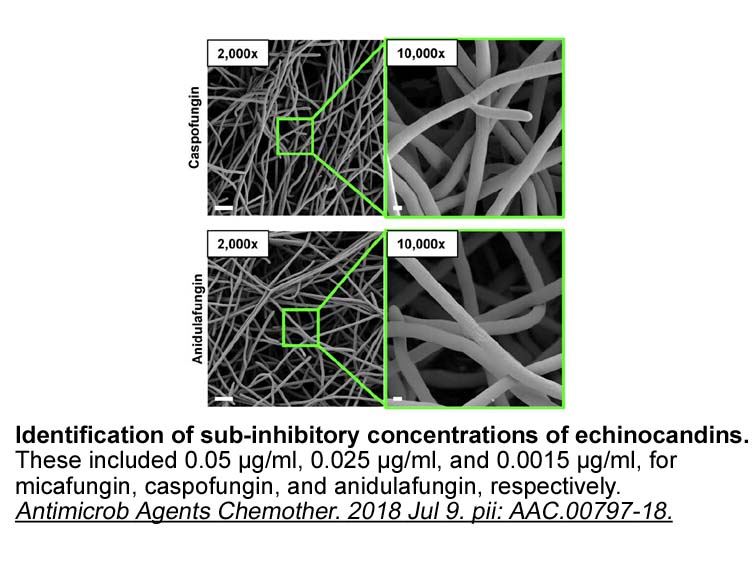
To further demonstrate the significance of Nrf2 activation in the prevention of EGF-induced CRC growth by AR inhibitor, we examined the effect of fidarestat on EGF-induced cell viability in Nrf2-ablated cells. Our results suggest that AR inhibitor prevented the EGF-induced cell viability in control
The lack of specific PARP
2024-01-24
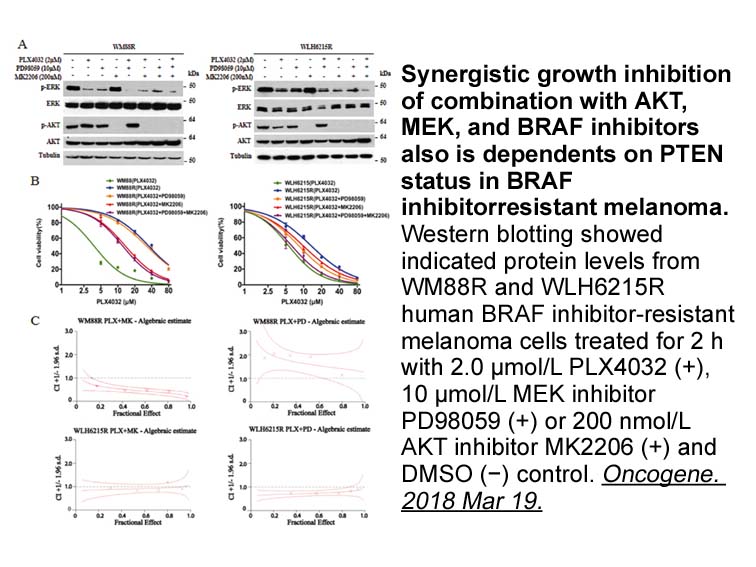
The lack of specific PARP inhibitors prevents our understanding of how TIPARP or perhaps other PARPs affect AHR signaling. Current inhibitors are based on NAM and were designed to inhibit PARP1 [59]. Many of them do not effectively inhibit mono-ADP-ribosyltransferases and their ability to inhibit TI
br The AHR functions in the immune system a tsunami
2024-01-24
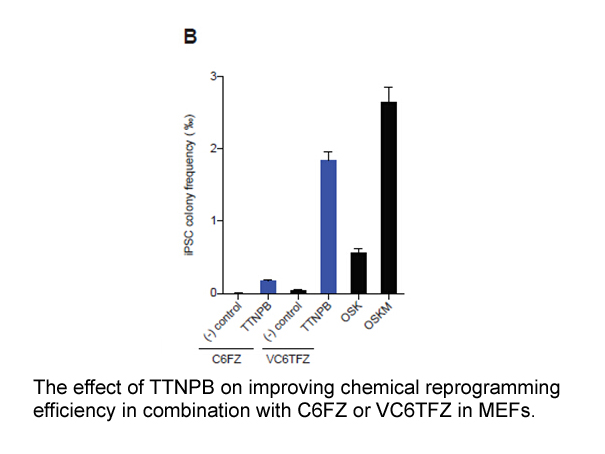
The AHR functions in the immune system – a tsunami of exciting findings The research of recent years has convincingly established an important function of the AHR in linking chemical environmental cues to immune responses [21,22], and reviewed in [1,23]. As a side effect, a view of the AHR as “Th
The direction of glutamate transport by the cell
2024-01-24
The direction of glutamate transport by the cell membrane transporter is reversible. As mentioned above, glutamate transport is an electrogenic process associated with a transmembrane ion gradient established by the Na+-K+ pump through hydrolysis of adenosine triphosphate. Under conditions of energy
To further clarify the vascular cell types expressing
2024-01-24
To further clarify the vascular cell types expressing AR subtypes, double immunofluorescence staining for ARs and vascular endothelial all trans retinoic acid or vascular smooth muscles was performed. As shown in Fig. 3, Fig. 4, overlay images show the expression of all ARs subtypes that we examined
8575 records 244/572 page Previous Next First page 上5页 241242243244245 下5页 Last page