Archives
- 2026-09
- 2026-08
- 2026-07
- 2026-06
- 2026-05
- 2026-04
- 2026-03
- 2026-02
- 2026-01
- 2025-12
- 2025-11
- 2025-10
- 2025-09
- 2025-03
- 2025-02
- 2025-01
- 2024-12
- 2024-11
- 2024-10
- 2024-09
- 2024-08
- 2024-07
- 2024-06
- 2024-05
- 2024-04
- 2024-03
- 2024-02
- 2024-01
- 2023-12
- 2023-11
- 2023-10
- 2023-09
- 2023-08
- 2023-07
- 2023-06
- 2023-05
- 2023-04
- 2023-03
- 2023-02
- 2023-01
- 2022-12
- 2022-11
- 2022-10
- 2022-09
- 2022-08
- 2022-07
- 2022-06
- 2022-05
- 2022-04
- 2022-03
- 2022-02
- 2022-01
-
The obtained results indicate that even when the
2024-02-28

The obtained results indicate that even when the impairment of the same forms of memory are present, amnesia can develop in different ways. Impairment of memory reconsolidation in the conditioned food aversion model through both the serotonin receptor antagonist and the antagonist of NMDA glutamate
-
The diagnosis of ICP is currently based
2024-02-28

The diagnosis of ICP is currently based on the presence of pruritus, raised fasting serum TBS levels above 10μmol/L, and/or elevated serum transaminases (in the absence of diseases that cause cholestasis or pruritus) as well as spontaneous relief of signs and symptoms within four to six weeks after
-
Recent studies have indicated that V ATPase activity negativ
2024-02-28
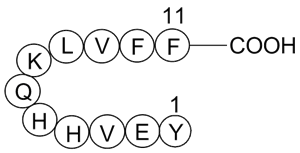
Recent studies have indicated that V-ATPase activity negatively regulates vacuolar fusion in vivo[17]. Since we have demonstrated that the pah1Δ Ro3306 have a more acidic vacuolar pH than the WT cells, and the genes involved in the pump activity are upregulated compared to WT, the pah1Δ cells' acid
-
Although several different membrane estrogen receptors
2024-02-28
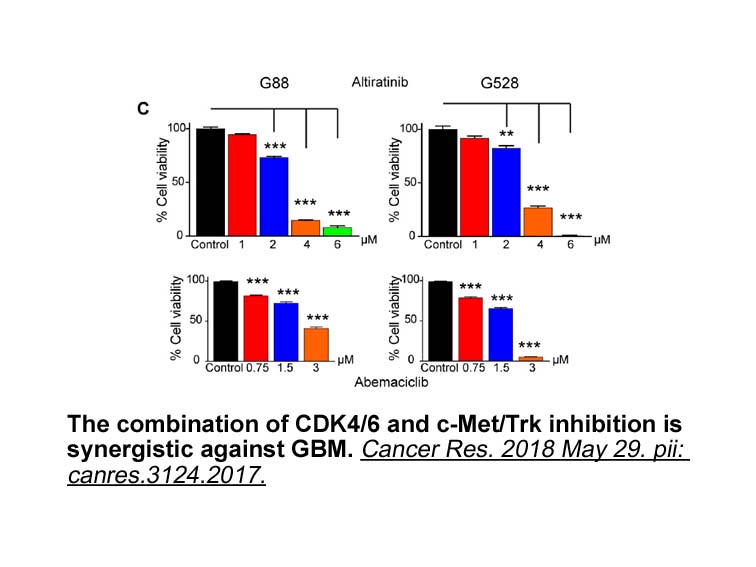
Although several different membrane estrogen receptors have been reported (Qiu et al., 2008; Revankar et al., 2005), a large percentage of membrane-initiated steroid hormone signaling appears to be performed by a subpopulation of the same receptors that act in the nucleus. Specifically, estrogen rec
-
In the pituitary of R quelen mRNA
2024-02-28
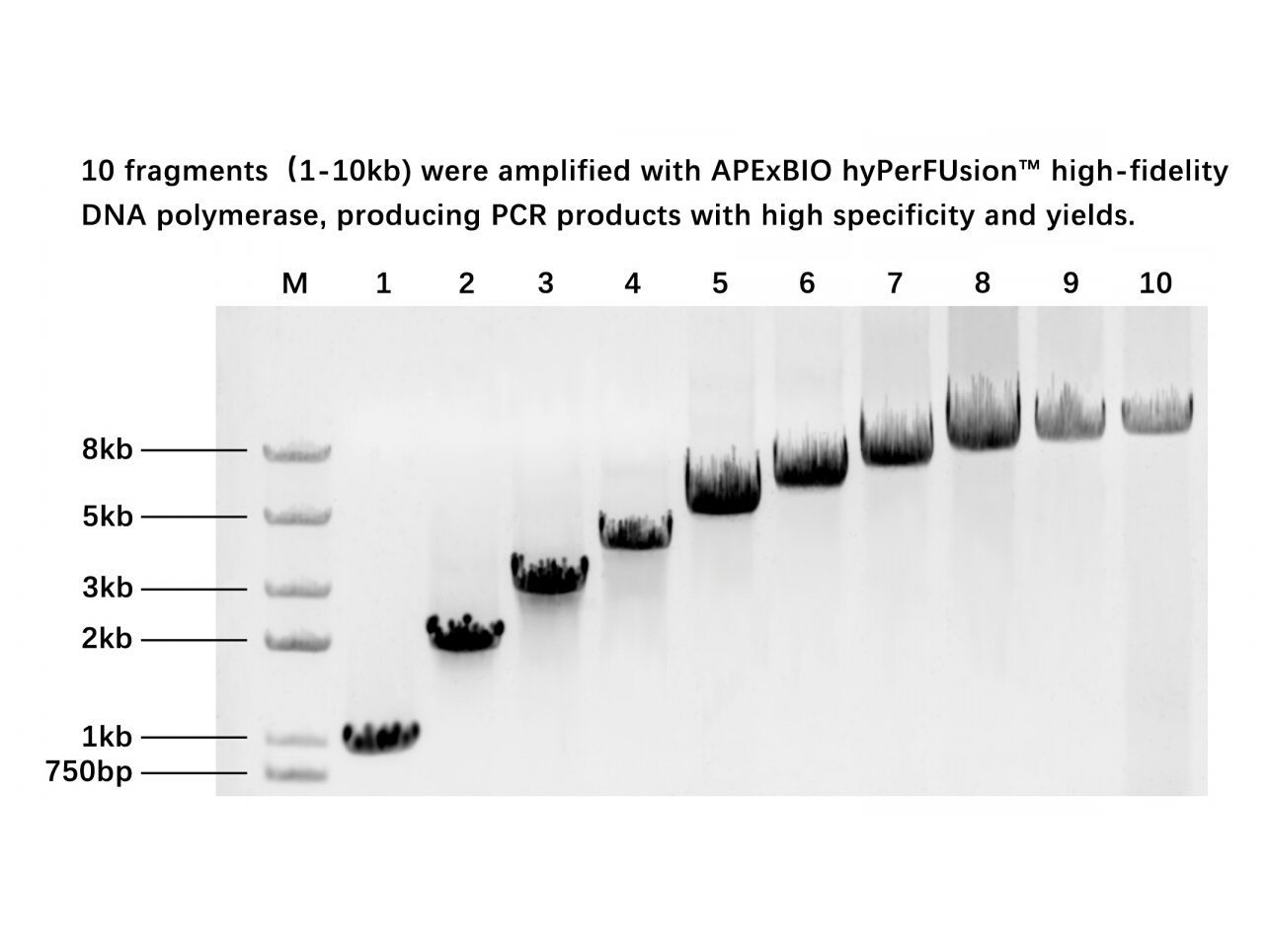
In the pituitary of R. quelen mRNA levels of cyp19a1b were found to be higher in males than females, suggesting a sex-specific function, and perhaps a local action to regulate gonadotropins or other pituitary hormone secretion (Olivereau and Callard, 1985; Zhang et al., 2014). Interestingly, the hig
-
Acknowledgments br Introduction Pulmonary fibrosis PF is
2024-02-28
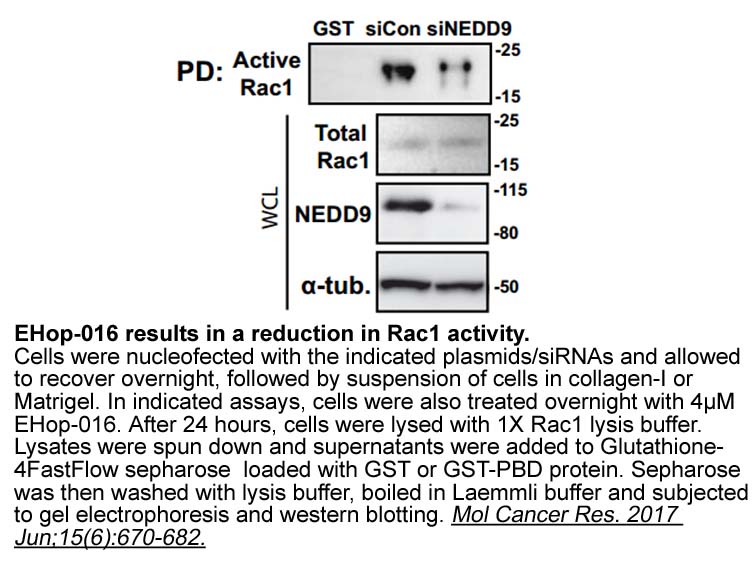
Acknowledgments Introduction Pulmonary fibrosis (PF) is a chronic, fibrosing interstitial pneumonia and a crushing disease that occurs as a result of a variety of lung injuries, including auto-immune, tuberculosis and traumatic insult [1], [2]. PF is characterized by the accumulation of extracel
-
Detailed analysis of the dose dependence of A
2024-02-28
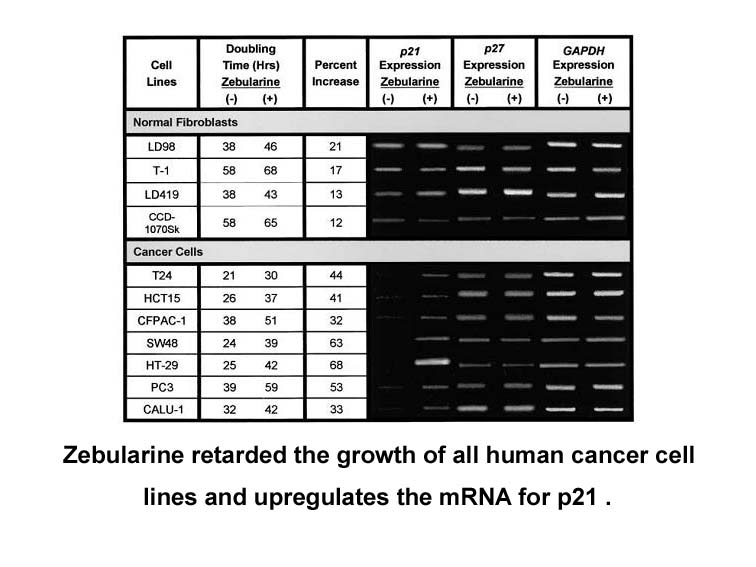
Detailed analysis of the dose dependence of Aβ effects revealed that at low amounts, Aβ can also act as a positive regulator of presynaptic activity, enhancing the neurotransmitter release probability and increasing the neuronal excitability [2]. The facilitator effects of low Aβ dose on excitatory
-
Since non lipoprotein derived free cholesterol
2024-02-27
Since non-lipoprotein-derived free cholesterol is recycled from the plasma membrane through the endosomal system through receptor-independent mechanisms, we wanted to determine whether ABCA2 could alter the trafficking of this source of free cholesterol. Our approach was to measure the effect of mob
-
Specifically equity injections in a multinational affiliate
2024-02-27

Specifically, equity injections in a multinational affiliate X located in an ACE country can be passed on as lending to another group member Y located in a different country with a high corporate income tax rate. For the group member Y, the interest on the loans is tax deductible, and at the same ti
-
In humans the major LOs are subdivided by their positional
2024-02-27
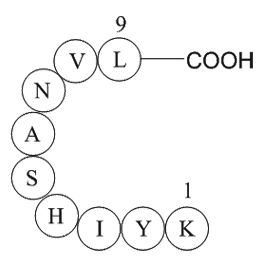
In humans, the major LOs are subdivided by their positional specificity into 5-(ALOX5), 12-(ALOX12) and 15-LO (ALOX15) (Kuhn et al., 2015). 5-LO is the key enzyme for LT biosynthesis and mainly found in mature cells from myeloid origin, including neutrophil, eosinophil and basophil granulocytes, mon
-
br Introduction Arginase deficiency is
2024-02-27
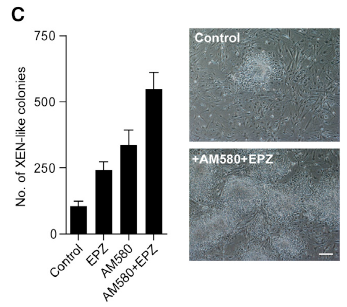
Introduction Arginase deficiency is a rare metabolic disorder resulting from a loss of arginase 1 (ARG1), the final enzyme in the urea cycle, which is the major pathway for the detoxification of ammonia in terrestrial mammals. ARG1 is expressed most prevalently in hepatocytes and red blood cells.
-
Hsp also called FK binding protein FKBP
2024-02-27
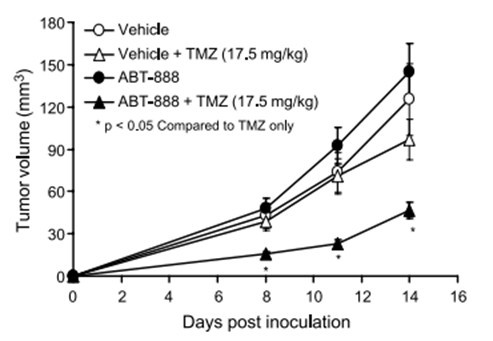
Hsp56 (also called FK506-binding protein 52, FKBP52) is one of the steroid receptor-associated immunophilins with tetratricopeptide repeat domains, which serve as binding sites for Hsp90 (Peattie et al., 1992). Hsp56 is elevated in breast cancer compared with normal breast tissue (Ward et al., 1999)
-
In summary present evidence suggests that antimicrobial
2024-02-27
In summary, present evidence suggests that antimicrobial therapy for intra-abdominal sepsis can be shortened in patients exhibiting a clinical response to treatment. Hence, clinicians should use the resolution of clinical signs of infection as a guide to determine when during the 4–7-day window anti
-
The evaluation of serum electrolytes e g sodium potassium ur
2024-02-27
The evaluation of serum electrolytes (e.g.: sodium, potassium, urea, creatinine, and uric acid), liver transaminases, blood counts (e.g. identification of thrombocytopenia, and bilirubin), 24-h urine (in order to monitor proteinuria), and heart rate and lung function of the mother should be performe
-
Introduction Cardiovascular disease is the principal cause o
2024-02-27

Introduction Cardiovascular disease is the principal cause of morbidity and mortality in patients with Sirolimus (1). Comprehensive management of these patients includes not only adequate glycemic control but also attention to additional recognized risk factors. Hypertension is a cardiovascular ris
8454 records 222/564 page Previous Next First page 上5页 221222223224225 下5页 Last page